

In a recent press release price and energy comparison website Sust-it says that the new energy labels from the EU used on modern washing machines is misleading people into thinking that smaller capacity washing machines are more efficient than large capacity washing machines.
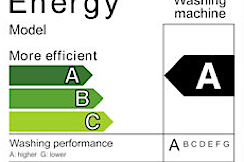
The press release says:
Larger capacity washing machines can use more electricity per cycle, however, if you regularly have large loads of washing they are far more efficient per unit of electricity consumed – as they save on the number of loads.
One example is the A rated John Lewis JLWM1404 6kg washing machine, which according to the energy label uses 204 kWh (GBP 29.15) per year.
Compared this the 12kg A+++ Samsung WF1124XAC with an annual consumption of 258 kWh (GBP 36.87) per year, this implies that the A+++ machine is less efficient as it uses more power, even though it does twice as much washing.
By ignoring the energy labels an average family could save 110 wash cycles per year.
Ross from Sust-it said, “The most economic and environmentally friendly option for the average family is buy a large drummed washing machine, as you’ll do far more washing per unit of electricity. Lots of manufacturers are now focusing on larger capacity machines, due to their energy saving credentials. It seems crazy that Energy Labels aren’t reflecting this change and are displaying confusing information; the other side effect of this change is that you can’t compare machines which were tested before the new labelling system was introduced”
Sust-it’s energy usage calculations are based on average amounts of washing; therefore larger machines tend to be more energy efficient per kg of washing done. With half load options and some with the technology to adjust the water and energy consumption according to the weight of washing, a large capacity machine is appealing if getting all the family’s towels and jeans done in one go is a priority. If consumers buy a large drummed machine, and use them correctly, major savings can be made!
There are a few omissions however that complete the picture here.
The glaring one is, how long will these machines actually last with the average (based on the 220 cycles up to 270 depending on who’s figures you use) washing machine now lasting a mere seven years as opposed to more than ten years about a decade ago. So, washing machines aren’t lasting as long, especially the cheaper ones which for many that are in higher than average family use may only see a couple of years service before they are scrap.
The energy used in producing all these new washing machines, transporting them, delivering them and getting rid of the old washing machines is seemingly ignored.
We wrote more in depth information on the energy labels and appliances in a separate article.
Then we have that Which? found the average wash load in the UK was about 2.5kg. Of course that will also include small load capacity washing machines but the point is, people don’t load the washing machines up correctly with either too much washing in it or too little.
It also assumes that what you are told the capacity of the washing machine is and, what the drum capacity actually is, turns out to be the truth as we explain in our advice on washing machine load sizes.