Competition, not cooperation, will determine the shape of the smart home, according to an executive from Korean electronics giant LG.
LG is one of the largest manufacturers of smart home products, but is not a member of the just-formed Digital Home Working Group, which consists of major 17 IT and consumer electronics firms such as HP, IBM, Intel, Microsoft, Sharp and Sony.
Significantly, the alliance includes LG’s Korean rival Samsung.
The DHWG guidelines outline how the companies should use networking standards such as Wi-Fi and Universal Plug and Play in ‘smart’ home appliances.
“We are the leader in digital home products globally, and we set the standard,” Brian Kim, LG’s Singapore manager told CNETAsia yesterday.
LG predicts that the total market value of the smart appliance market will amount to US$360 billion in 2005. Sales of such appliances have been encouraging in Korea, where there is a highly Internet-savvy population and widespread broadband penetration. Outside the country, sales have been modest, according to various reports.
Kim, however, believed that the global adoption curve will begin climbing steeply in two years.
And as his firm has invested years in research into home networking, and he saw no need to dilute nor share the hard-won knowledge through an industry alliance, he said. Interoperability among different brands is not a concern for his company as long as it stayed on track to dominate the market.
“We are shipping products now. The Group is just talking. Which one of them is shipping any networked home appliance?” he asked. He saw the DHWG as a way for smaller players to gain clout through numbers. LG’s unique protocols are a market differentiator that will give it an edge over its rivals, said Kim.
LG’s communications standard is its proprietary Living Network Control Protocol (LnCP), while its devices run its own IOP operating system. However, the firm is not completely isolationist; it belongs to technical groups looking into standards such as Universal Plug and Play.
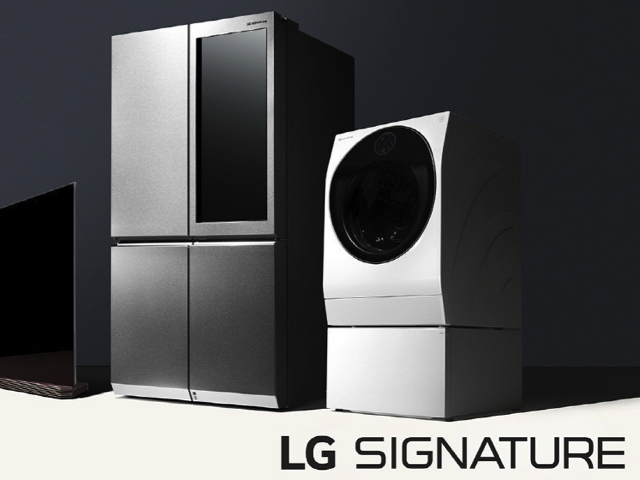
LG has just launched its second-generation smart appliances in Asia-Pacific. These include a refrigerator, microwave oven, air conditioner and washing machine.
At a launch ceremony in Singapore, the firm showed how each device can be remotely controlled over the Internet, as well as contact the user should problems arise.
The Internet washing machine, for example, allows users to activate wash programs and check the wash cycle online. New wash programs for unusual fabrics can also be downloaded into the machine’s memory.
The Korean giant uses a proprietary Internet gateway and server embedded in its smart refrigerator as the central brain of the home network. It connects with other devices in the home through powerline networking. However, third generation devices out next year will also include 802.11b wireless connections, said an LG spokesman.
The number of countries that LG exports its home network systems reached 17 this year, and includes Belgium, Greece, Taiwan, India, Canada, Russia, United Arab Emirates and Israel. Last year, LG exported the products only to the United Kingdom, Mexico, the United States, Spain and Australia, according to previous reports.
From CNET Asia