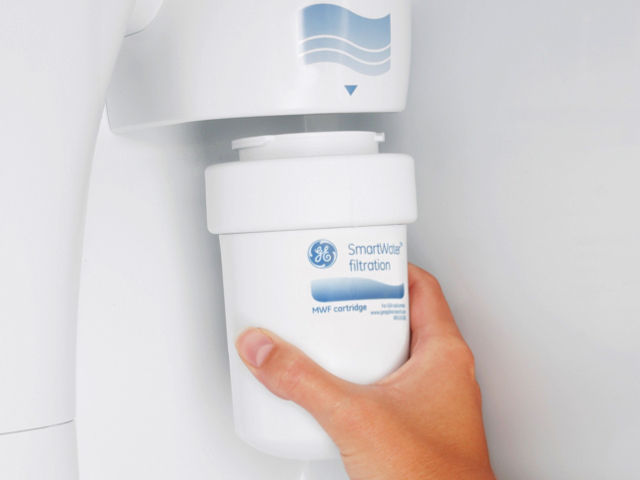
American manufacturers and their association are trying to target and stamp out what they say are dodgy water filters although we have no news of it happening here as yet.
The full press release is below but, what piqued out interest is that this may be a precursor to trying to stamp out good compatible filters which we’re pretty darned sure the manufacturers would just love to do.
Then charge people more for their water filters most probably!
Maybe if they sold the ones they do at more sensible prices there’d be no need for what they label “counterfeit” ones or, if the price difference wasn’t massive people would move more to the genuine filters than the cheaper alternatives. And, many of the alternatives are just as good as the originals, perfectly adequate for most people.
Some are not of course and we know that, which is why we don’t sell the properly dodgy ones.
We’re just saying is all…
Full press release:
The Association of Home Appliance Manufacturers (AHAM), in partnership with the manufacturers of 17 leading refrigerator brands, has announced a campaign to educate consumers on the growing risk of unknowingly buying counterfeit and deceptively labeled water filters for refrigerators. The campaign, aptly titled Filter It Out, provides information and resources to assist consumers in their search for replacement filters that are reliable and can be trusted to filter out impurities in their drinking water.
“Counterfeit and deceptively labeled filters are sold every day through various online channels,” says AHAM President and CEO, Joseph M. McGuire. “In many cases, the filters appear identical to brand-name products, but do not meet the safety and structural standards that consumers, manufacturers and regulators expect.”
According to McGuire, a significant percent of replacement filters are purchased on the internet, making efforts to seize counterfeit and deceptively labeled products very difficult. “Manufacturers are working directly with online retailers and U.S. Customs and Border Protection to remove counterfeit and deceptive filters from circulation. However, there’s a growing need for consumers to understand the problem and help take action to address it.”
Drinking water in the United States contains numerous contaminants – including lead, asbestos, and pesticides – and not all water filters are created equal. Consumers understand the need for periodic replacement of filters, but may regard the choice as inconsequential.
With new awareness comes a search for information, almost exclusively online – where trustworthiness of products presents real challenges, says Jill Notini, AHAM Vice President of Communications & Marketing. “Working with manufacturers from across the industry, we’re designing Filter It Out with the busy consumer in mind and including an educational website and targeted outreach program that grows over time. Our work continues a long-held tradition at AHAM – and across the home appliance industry – of investing in consumer education and product safety.”
“The coalition supporting this campaign underscores the value and potential it brings,” Notini adds, noting that participating AHAM member company brands include: Amana, Beko, Blomberg, Bosch, Electrolux, Frigidaire, Gaggenau, GE, Jenn-Air, KitchenAid, LG, Maytag, Miele, Samsung, Sub-Zero Wolf, Thermador and Whirlpool. “All agree that the risks to consumers posed by counterfeit and deceptive water filters must be better understood so consumers can avoid bringing potential harm to their appliances, homes, and most importantly, their families.”
Independent testing, as well as testing by manufacturers, shows that installing counterfeit or deceptively labeled water filters into refrigerators can result in failure to remove contaminants from consumers’ drinking water. In addition, poor fit for individual refrigerators may damage the refrigerator and the kitchen, if leaks occur. Counterfeit and deceptively labeled water filters do not contain the same technologies as devices certified by refrigerator manufacturers and often fail to include key filter components needed to keep water clean. Most are not tested to specific industry standards – NSF/ANSI 42 and NSF/ANSI 53- and may not properly fit the appliance as claimed.