
Cheap washing machines are cheap in the beginning, but don’t always stay cheap in the long run while high-end models hurt at checkout time, yet could produce up to five times more washes over its lifetime.
So says an analysis for the Netherlands market and, we wouldn’t say that was likely to be untrue or inaccurate.
The report goes on to say that, the “expensive” model might cost half as much per washing cycle as the “cheap” one in overall costs.
Of course a lot of people can’t afford expensive washing machines or get attracted to a much cheaper one that, on paper at least and to most untrained eyes, looks the same so many people opt for the cheap washing machine over the more expensive models.
This results in more appliances going to landfill sites and messing up the environment, and more waste of resources.
A company called Bundles in the Netherlands thinks that it has come up with a viable alternative.
Instead of buying and owning the expensive machine, you rent it!
You may have heard of this idea before.
Entrepreneur Marcel Peters recently started a washing-machine subscription service that charges based on use.
The service, called Bundles, is available in the Amsterdam area at the moment. It offers Miele washing machines, which cost about £1,100 new. Service plans start at about £16 per month (18.95 euros) for 15 loads, rising to about £18 a month for 35 washes.
An engineer comes to your home to install the device, and Bundles deals with any maintenance issues.
The company has apparently rented out 15 units so far.
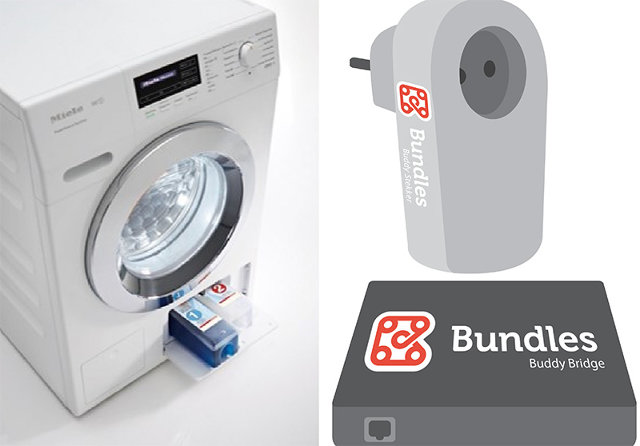
They keep a track of each machine with a “smart plug” that measures electricity flows every two seconds. That tells the company how often customers wash, how efficiently they’re cleaning clothes, and whether the machine might need repairs.
If customers don’t use up their quota of washes in any month then a refund is given back of about about 42p per load, up to three loads.
Peters says subscribing to the service is only marginally more expensive than buying the model yourself. Plus, Bundles offers advice about keeping energy costs down. It’s also a lot cheaper than leasing to buy, which could come in at double the starting price once the contract is up, he says.
He got the idea after visiting the appliance manufacturer Miele and hearing about how many people couldn’t afford the upfront cost of their products. The German company is offering Peters a discount on the first appliances, and it plans to incorporate the plug and software if Bundles is successful. Peters hopes to raise more financing and launch in a bigger way this year.
Because the plan is for Bundles to take back the machines when people are finished with them, he can ensure they’re reused or disposed of properly. Ultimately, the aim is to create a circular loop that encourages people to buy better washing machines and to create washing machines that are better for recycling.
“What it’s all about is to create a machine that never breaks down, or if it does break down, that you can take out all the scarce resources in the machine,” he says. “There are metals like copper that can be recycled. They don’t need to end up at the scrap heap.”
There are a few problems that we see here though.
Rental appliances as well as TV’s and the likes died off for a reason, the products got cheaper and cheaper relative to earnings and have been massively devalued over the past couple of decades or so. Once a washing machine was more than an average month’s wages now, they are a mere fraction of that on average.
It also hasn’t proven to be popular unless it comes with extremely high service levels but that’s fairly normal on a rental contract as the owner becomes a constant source of income.
So yes, you may well get great levels of service and a low upfront cost but, if you work it out, over ten years on even the cheapest rental mooted here, you would be shelling out £1920 over the term. That makes a lot of really good washing machines look like bargains.