

How To Use Detergents Correctly
Why you’re probably using it wrongly getting poor results and wasting money
We know, we hear it all the time on TV in some thirty second adverts that one detergent is better than another and it’s a battle slugged out for hearts and minds by the major brands that we all know so well.
 But what they can’t do in thirty seconds is tell you what you actually need to know.
You see most people couldn’t give a fig about detergents or washers; instead what happens is that you fire the clothes in the washing machine and just assume that the washer will just clean your clothes.
Well, in real life, things don’t just happen like that. For years we’ve told customers that the detergent that you use is as important as the machine you use or choose to buy as the two to work in harmony with one another and each forms an important part in the results that you will get.
And we hear all the time that killer phrase, “I’ve been washing this way for years”, but the thing is, technology changes and moves on. Washing machines, detergents, and the materials used for clothing have advanced, but people’s attitudes and methods often have not.
With so called “designer clothing” now being so popular the last thing that anyone wants to do is to only get a few uses from any one article of clothing, you want to get the best from it for as long as possible to get value for money. Apart from which there is the real environmental concern about throwing away clothing prematurely or indeed washing articles more than once to get them clean.
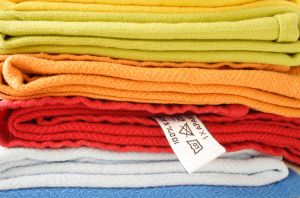
That’s only the start of it though. People are massively confused by all the products out there, just as with the machines that you use and, just like the machines, there’s little guidance on offer to you.
So if you want to be ahead of the pack and a bit more in-the-know about it all this article is designed to give you the things you need to know better and save money.
Now that you know that much you have a simple choice to make, you can read all about the chemistry and other bits and bobs that explain why we think all this is important, which to many people will most likely be really boring unless you happen to be interested. Or, you can just read the quick tips here to get decent results, it’s your call.
Top tips for results are as follows:
Sort Your Laundry Before Washing
Make sure you separate whites from colours. Seriously, you’d be amazed at the number of people that don’t bother doing this and it really is crucial. Think about it, if you wash a white Calvin Klein shirt with pink socks things really isn’t going to go well for the shirt.
At the very least you need to sort white/lights from darks and colours and, that’s the bare minimum.
Not doing this is just inviting problems with open arms.
Colour And Normal Soap Powder Or Liquid
The reason you have colour detergent is that there is no bleach in it, okay there’s more that that to it but it’s as much as we normal people need to know as this stops the colour getting bleached out of your clothes.
After one or two washes you won’t notice the difference, but trust us, after as little as ten washes you will.
Thankfully after receiving this little nugget of information dark shirts are safe from becoming bleached out.
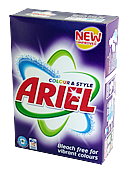
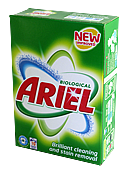
Dose Powder Correctly For Your Washing Machine
Hot topic this one. But basically most people, for most everyday clothing will need to wash them as being “medium soiled”.
Light soiled means a garment lightly worn not next to the skin.
Medium soiled is something that has been worn next to the skin, in other words, most things.
Heavy soil is something that is really mucky or has been worn under physical duress and will be full of sweat etc., like sportswear, tea towels and the likes.
This also affects the likes of the “quick wash” programs as they are not geared to clean anything other than lightly soiled clothing, a kind of refresher program. So your clothes may not be as clean as you would like, or think that they are in reality.
As people are fed up with long program times manufacturers are starting to play on this and offering, in my opinion, stupidly fast “quick washes”, one is now offering a machine with a fifteen minute cycle. We simply fail to see how this can get clothing clean and, like most other claims made by washing machine manufacturers there seems to be little, if any, evidence to support the claims.
The Correct Washing Machine
On some washing machines however the need for detergent is hugely reduced, essentially the better performing ones and they can save you a fortune in detergent costs which is way, way higher than the cost of electricity per wash. The choice of machine and how well it performs is important in all this as well.
In the trade it never ceases to amaze us how so many people go out and buy a cheap washing machine then expect it to outlast a few pairs of designer jeans that cost more than the washer did! That’s just insane.
What’s also a bit nuts is that a lot of people also expect a £200 washing machine to perform the same as a washing machine cost over £800. By that analogy a milk float should perform like a Ferrari, but we all accept that isn’t the case.
Don’t Overload Your Washing Machine
The deal here is that if you overload then the clothes can’t move properly in the drum, so the detergent doesn’t get to the clothes and so you get a whole host of problems, the major one being that clothes aren’t washed properly, which isn’t good. Apart from not getting your clothes clean you can also do some serious harm to the machine itself, again, not good.
Try to leave 10cm or about a hand-width between the top of the clothes and the top of the drum otherwise it’s not going to work properly and you’ll get poorer results and very possibly wreck your machine or stop it doing stuff it should.
Washing Machine Maintenance Wash
Once a month, please, please run the machine through a boil wash with a full dose of powder or tablet detergent to clean it out.
Use detergent because it kills germs if you use a biological (which we’d recommend for normal use anyway for whites) and the “builders” in the detergent will remove limescale. This is a lot cheaper than using some ad-on products such as Calgon.
To find out more, click this link
Fabric Care Labels For Washing Machines
Follow them!
They stop stuff ending up “Action Man” size, stops the fabrics getting prematurely worn, stops colour bleed and a whole host of other nasty stuff that can make your clothes just horrid or looking “done” after only a few washes. So please take the time to read the labels and use the appropriate cycle on your washing machine to accommodate them.
If you follow all the above then you’re off to a good start.
We know it all this may seem a lot to do just to clean clothes, but modern machines and clothes are fickle things (especially the clothes) and if you make a mistake it can cost you dearly. With the popularity of designer wear and non-traditional fabric mixes this is vital if you want that £60 or more shirt look good beyond the first few times that you wear it.
Doing things right wil mean your clothes last much, much longer so you save loads of cash on that alone never mind the detergent.

This also means that you have to choose the correct cycle or program to correspond on your machine by following the care labels.
The simple tips above are enough to make sure you don’t have any major disasters and, if you’re really interested or just curious there’s a whole load more that we can tell you about this subject which is actually pretty fascinating and it explains a lot of the above.
If you’ve gotten this far, congratulations we’ve obviously not bored you death with all this quite yet, so we’ll continue.
One of the single biggest problems with detergents is the bewildering array of them on the shelves which makes it so very easy to get confused. Many people don’t even know what they are buying and, because there’s little or no information out there, you are simply left to guess at what’s best for you.
We’ll try to explain it as briefly as we can and help you make a more informed choice.
Bio Soap Powder vs Non-Bio Soap Powder
The difference is simple, bio has enzymes in it and non-bio does not. The enzymes are “biological” in that they target certain types of organic based stains and remove them extremely effectively. They occur naturally and pose no threat to humans.
There’s an argument that you get which says that non-bio is better for your skin, well, maybe in about 0.0002% of people or some other such insignificant odds. You’ve more chance of winning the lottery six weeks running than suffering some form of skin problem due to a modern name-brand detergent as the science and testing that goes into these products is just absolutely staggering.
Quite honestly after studying detergents this seems nothing more than a myth and an easy way out for the medical profession who should really do a proper skin test if you suffer from irritation to find out what the actual problem is instead of just guessing.
Funnily enough we were recently informed that the UK was the only country in the world where there was bio and non-bio available. Amazing how the rest of the world doesn’t suffer the same alleged skin irritations isn’t it?
But, again we go back to the machine, is the rinsing performance good enough for you? Most people don’t even consider it when buying a new machine or, even ask.
Soap Powder, Tablets And Liquids Confuse People
Confusing isn’t it? So many different formats and hardly a single scrap of information on the supermarket’s shelves to tell you what’s what, the big problem is that the detergent manufacturers also seem a tad reluctant to tell you as well.
Powder is the original detergent format and to this day it has all the technologies available in it, you get the full cadre of cleaning power in a powder so after that it only comes down to how good it is. We know it’s potentially messy and harder to get home but it really is the best and well worth the effort.
Tablets are different as most are hard pressed by a stamp, it’s basically just powder though that is highly compressed. The big problem is that some take quite a while to dissolve and therefore you can’t use them in the soap drawer, except Ariel tablets. You will also need a net or bag for any bar Ariel tablets as otherwise, since they don’t dissolve so fast, they can sit on clothes and the bleach makes short work of any coloured items. So tablets are good in some ways, poor in others.
Liquid is the most convenient in many ways to a lot of people as you just pick up a bottle and pour it in. well, that’s the theory at least.
In practice liquid can cause a lot of trouble, especially for service engineers.
You see, it’s easily overdosed and this can cause no end of harm to a machine and that goes back to the tip about dosing on the first page, it really is vital to get it right or expect a bill for the engineer as manufacturers generally do not cover for detergent misuse which is the way they view these problems.
If the dosage doesn’t get you then the smell might, liquid detergents do not and cannot at this time contain a bleaching agent (nor is it ever likely to) so the bacteria doesn’t always get killed in the machine. This can congeal and for a rather smelly mass which is not good for your nose or your machine and that’s one of the reasons why we recommend a maintenance wash and why it has to be done with powder or tablets, so that theres a bleaching agent to remove any bacterial build up in the machine.
Additives That Make Laundry A Chemistry Lesson
For the past few months at the time of writing we’ve seen many, many adverts on TV for what we refer to as additives, things like Vanish and Calgon. Well, if you use a quality detergent and use it correctly then there is absolutely no need for these products.
We would argue that they are marketed to solve a problem not created by stains or whatever, but to compensate for people’s lack of knowledge about the subject and how to use both their detergent and washing machine together properly. And the companies that sell such products do very nicely out it.
For example look at Vanish. If you actually look at what’s in the tub on the ingredients label the two that stand out for me are bleaching agents and enzymes, basically it’s a big tub of bleach with a few other goodies thrown in, but it sells at a massive premium for such a small amount over even a premium detergent.
But, if you think about it a bit, if you put Vanish into a coloured wash then you just added bleach and a lot of it. You wouldn’t put bleach in with your best blue shirt would you? Some people do unwittingly because this isn’t explained in the marketing for such products, only that they magically somehow remove stains, but there’s no magic at all, just chemistry.
And of course there’s the enzymes. This one really makes us cringe when you open a customer’s cupboard only to find non-bio detergent sat beside a tub of Vanish or similar as they have, totally unwittingly, added exactly what they wished to avoid without realising it, again only because it isn’t explained and it’s not the person’s fault really.
It’s also kind of weird that no doctor has ever, that I’ve heard of, asked if the person suffering from some skin irritation uses any additives in their wash, they only suggest the detergent. Funny that, isn’t it?
And as for being environmentally friendly, how can buying more stuff you don’t actually need be kinder to the environment? All that product, packaging… just sheer waste.
Of course with all this new found knowledge you won’t make that mistake, or at least we hope you won’t and that you’ll get better results without spending more money than you have to.
Recommended Soap Powders
 Yes we recommend the use of Ariel products and we’re very open about it. We do this simply as they are the best product for the job and we’ve proved it both in the lab and in the field and it really is that simple.
We proved in an independently monitored test over several days that Ariel was superior in terms of stain removal and, in field tests with normal day-to-day use that the products are also superior to other brands.
Couple this better performance with the knowledge to get the best from both the washing machine and the detergents used and the results are often staggering to people. Many didn’t think such performance was possible, and all it took was a little bit of information on how to use and not use the products they already had.
If you need a more budget-friendly option, then Aldi’s Almat range has proven very good and consistent with results as well. We’ve been testing those for over a year and for most people, most of the time, those will do almost as good a job as Airiel will when used correctly. Not quite, but close.
Sadly though, they seem to have stopped the colour powder, the only option now seems to be liquid tabs.
I have reusable nappies made from bamboo and their waterproof liners both of which say not to use biological powder on them. What is your view on these?
We haven’t tested them so it isn’t possible to offer you an informative or definitive answer on those type of nappies.
Hiya,…. Found this page so useful, after receiving a new machine as my old one was nearly as old as me!I have a question on the Ariel recommendation:What about the new range of ariel stain removers? Are they a recommend or are they the same as the vanish; in throwing more chemicals in with your washing?Many Thanks
Hi Becki,So far as I can gather, yes that is the case and the Ariel stain removers are there to compete with Vanish et all which is a huge market now. Simply as people often don’t use detergents correctly and use these “stain removers” to correct their errors, at substantial cost.
Have just found this site by chance – my daughter has just experienced smelly washer syndrome and I have found this extremely helpful- just finishing the maintenance wash! Thank you.
Addresses some fair points although quite obnoxious. It frustrates me how some people think it is fine to criticise medical professionals’ integrity and judgements, in this case it is stupid to do so and assume you know better, unless I’m wrong and you are actually a dermatologist. Do doctors ever try to tell you your business? Wouldn’t it just annoy you if they did? Problem solved with some mutual respect and common decency.
Hi Tom,Yes, doctors do.By telling people to switch detergent when that isn’t the cause and, in some cases, the washing machine gets the blame sending people looking for problems that do not exist.But there again, how would a doctor know of an issue with any detergent without verifying the cause? Which would seem to indicate a degree of guesswork on the part of the medical professional.I’m quite sure that these professionals have some reason for this however, that is beyond our scope. All we can do is comment from our perspective, obnoxious or not.
I live in Australia and Ariel powder is not available here, what would you suggest instead?Many thanks, Valerie
Hi Kenneth, Thanks for the informative article. Quick question though! Grease and tomato sauce stains are the bane of my life! I use Ariel Liquitabs but find them not effective in removing these stains first time – even if I put two Liquitabs in on a ‘super wash’! Do you have any tips on removing them first time? I’m able to bleach my white t shirts but my coloured ones are quickly ruined by the stains.Any help would be greatly appreciated! Thanks
Hi David,I wouldn’t use or advise the use of liquid tabs. ;)To get rid of those pre-treating with some raw liquid directly onto the stain then washing as normal should remove them.
During the past 10 years or so, I have used various different detergents and additives and now I pretty much agree with the information on this page.This might sound odd at first, but you can save detergent and money by adding a tablespoon of soda crystals with the Ariel detergent. The soda crystals soften the water, so you can dose Ariel for soft water, which is much less required than the dose needed for hard water. Since the detergent is more expensive, a £1 bag of soda crystals makes a difference and the soda crystals helps Ariel get rid of stains – it really works. The £1 you spend on a bag of soda crystals will make a box of Ariel last longer (saving money in the long run), as well as helping to shift stains and make the water softer (yes I know Ariel softens the water too, but more Ariel would be required without soda crystals).Always use 1 TABLEspoon of soda crystals, not less. I add it on top of the Ariel powder in the soap drawer.
Hi KennethI stumbled across this article whilst searching for some replacement Candy Hoover care and maintenance powder sachets which were recommended to me by the engineer who replaced the lime scale encrusted element in my machine for the 3rd time in a year! I have a baby so lots of washing including nappies. Can I just clarify that running a mainteance wash with a biological powder is the same as running one with these sachets and will stop the build up of lime scale? Alongside dosing correctly and using bio over non bio that is.
Hi Deb,Pretty much, you’re correct.It is quite (very) unusual though for a heater to fur up in that short space of time, even in extremely hard water areas that sounds a bit wrong somehow.I can’t see what’s in that Care + Protect from Hoover Candy but they make some astounding claims for it. I may order some and test it to see if it does what it says.However there are elements in all decent powder detergents and most liquids to lift limescale, builders. Underdosing can prevent them from working properly or, you get poor wash results but that tends to apply only in hard water areas.In soft water, the reverse is true, the dose often needs reduced in modern machines or you get over foaming problems etc.In either case, a monthly maintenance wash is good practice and can save you a heap of grief.K.
Hi Kenneth,Just wanted to ask for your advice. I know about using powder for whites and liquids/colour care for colours, but just wanted to ask about the new Ariel Pods – they do a normal green coloured bio version and a purple coloured colour care version. I have always noticed that they only thing that distinguished a standard laundry liquid from a colour liquid is a standard liquid has optical brighteners in it, and colour doesn’t. However, on Ariel Pods both how Optical brighteners – so what is the point in selling both. Another case of manufacturers keeping us in the dark? 🙂
Probably.Over the years I have come to the conclusion that on occasion detergent manufacturers seem to care little about the problems created by their products or, more probable, they often don’t know about it.The reason is that when something goes wrong, be it poor results, damaged clothing, leaks and so on people usually blame the machine itself and it’s up to the service guys to try to work it out. That information is rarely, if ever, fed back to the detergent makers.
I have just got a new machine. The old one was about 15 years old. I live in a hard water area & I am finding if I put the same amount of detergent in as I did in my old machine I am getting an excessive amount of foam. Do new machines actually need a lower dose?thank you
In a good many cases, yes that is correct and the dose has to be lowered or you will get over foaming problems, possible leaks and so on.
I actually need to forewarn people here.I have a dakimakura cover which I bought for about £60 and the first time I washed it a few months ago, I used one of those gel tabs.According to this post, they don’t contain bleach, a fact which Proctor and Gamble also confirmed. (Or as I would put it, lied about.)Sadly, they do.After washing it, two spots faded, and, if that wasn’t enough, I noticed today (15/10/2014) that the top of the cover has turned slightly yellow, and there’s a few yellow rings.Something that only happens if there is bleach.So, yes, they do contain bleach.
Hi, this was really useful, confirmed many things I was told throughout youth and had forgotten over the years (the gap often gets forgotten when one has too much laundry and not a big enough washer, let me tell you!)I have a query, as you seem to know a fair amount about detergents etc…I have tried allsorts when it comes to getting whites white. Vanish is hateful and does not work, I’ve been warned away from bleach but it didn’t stop me testing it but I found that this did not work… where am I going wrong? Sites say to put the clothes in after the bleach but that’s impossible with my machine!I’m going insane here, I don’t want to keep buying new shirts just so they’re not in grey shirts… my daughter and hubby look poor! Please help! 🙂
Hi Ayla,With the correct loading, program selection and detergent as above you shouldn’t have an issue.