This is a topic that we have covered a number of times over the years and, every now and then, it pops up in the news where it is said that washing machines are spreading bacteria nd creating a public health risk.
As we’ve said, many times, this is correct if (primarily) one of two things is true:
- Laundry is washed at the incorrect temperature or cycle
- The machine reaches the advertised temperature
The first of those is within control of the user however, th second is not and it’s been established a number of times that many machines do not reach the target temperature. As we have also mooted in the past, this is a big problem for healthcare workers that launder there own work uniforms etc at home as, whilst they may think that their washing machine is cleaning correctly and, they’re doing everything right, it may be in vain.
New research carried out by De Montfort University in Leicester (that you can access here) suggests that one of our pet peeves, this topic, is indeed an issue and one that we and others feel should be addressed, as it causes issues.
In the study, the team used laundry infected with Enterococcus faecium, a common antibiotic-resistant bacterium found and causing problems in hospitals. They washed this laundry in normal household washing machines to see if they could kill the bacteria in a normal 60˚C wash and on a rapid cycle.
Unsurprisingly, the rapid cycles proved to be bad, with half not disinfecting the laundry, and even on the normal cycle, a third didn’t perform as they should.
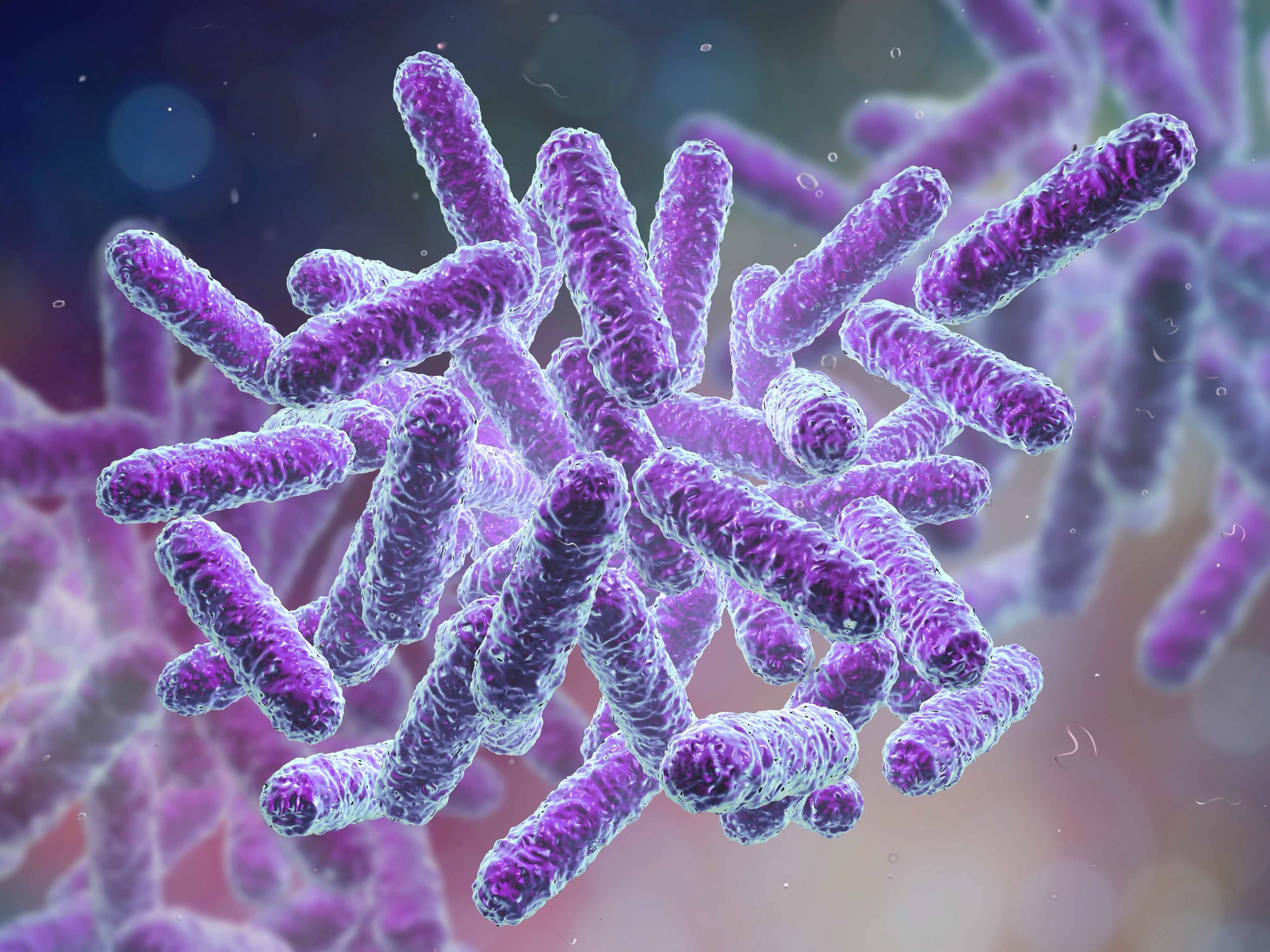
Scarily the team also took samples from inside twelve different washing machines then DNA testied what was in them and found the presence of harmful bacteria including Pseudomonas, Mycobacterium, and Acinetobacter. These are bacteria often seen in hospital outbreaks and yet still more troubling was that the machines also carried genes that make bacteria resistant to antibiotics.
Biofilms: Smelly Washing Machines
According to the research team, a major problem is the buildup of biofilms, a phenomenon we’ve been on about for over 20 years and led to this article all about smelly washing machines. It is the major cause of the issue.
Biofilms are slimy layers of bacteria that stick to surfaces inside the washing machine, primarily on the inner surface of the outer tank, often referred to in the trade as “black gunk” as it’s literally a slime of grime and bacteria. Worse, these Biofilms protect bacteria from heat, detergents, and even most disinfectants so when they form they can be incredibly difficult to get rid of, barring a complete strip-down of the machine and cleaning them off by hand. Which is not possible at all with many modern sealed tub units.
But over time, there is a cumulative effect, and the bacteria build up, grow stronger and become more resistant to both cleaning products and antibiotics.
Essentially, a huge number of people are washing their items in a soup of bacterial gunk.
Is this the cause of “skin irritation” problems? We’re not doctors or whatever, but common sense would suggest…
Detergents Failing
Once more, we’re not shocked to read that detergents fail to kill off a lot of bacteria.
It’d be easy to point the finger at detergent makers and say that this is on them, but we don’t think that would be true. You see, these guys will test their detergents based on what they should do inside the machine on the given program, or spread of them, and make their detergents work as optimally as possible on “control” machines. These machines will be performing as any washing machine should, but the reality is, not all machines do perform as they should.
A few years ago when we did testing for a review organisation the differences between the machines were mind-boggling. Some were so far out we struggled to beleive it.
But the detergent makers have to work to a standard, and if the machine they are used in does not perform as it ought to, then the detergents will not perform either.
On ot the research team, Katie Laird, said: “Our research shows that domestic washing machines often fail to disinfect textiles, allowing antibiotic-resistant bacteria to survive. If we’re serious about transmission of infectious disease via textiles and tackling antimicrobial resistance, we must rethink how we launder what our healthcare workers wear.”
In fairness, the study did find that some biocides used in detergents and disinfectants can help bacteria build up general defences. So detergent makers might not be completely blameless, but still, we’d suggest the washing machines themselves should be the primary focus.
Back To The Future
We spoke to some healthcare workers several years ago, and it was interesting as the older ones all recalled that their uniforms were deposited at the end of the shift and washed by the hospital laundry.
This changed, presumably to save money as we don’t expect that laundering potentially thousands of uniforms a month would be cheap, and staff were asked to wash their own uniforms at home.
Perhaps it is time to rethink that, given the potential for harm to patients from this policy and the poor performance of domestic machines, and literally go back in time for the future of healthcare workers’ laundry. Which is a suggestion from this study, also.
Public Health Risk
Over 80% of nurses uniforms etc are washed at home in the UK. In 2024 that was said to be over 800,000 people.
Simple arithmetic then suggests that there are liable to be, quite probably, 300,000 or more nurses alone who are wearing workwear that could, potentially, be spreading disease and adding to the issue.
And, that’s not considering any other profession where clean workwear is essential, nor normal domestic homes.
We have no idea, because we’re not healthcare professionals or scientists, what would constitute a serious “public health risk”; however, if this weren’t one, we would be surprised.