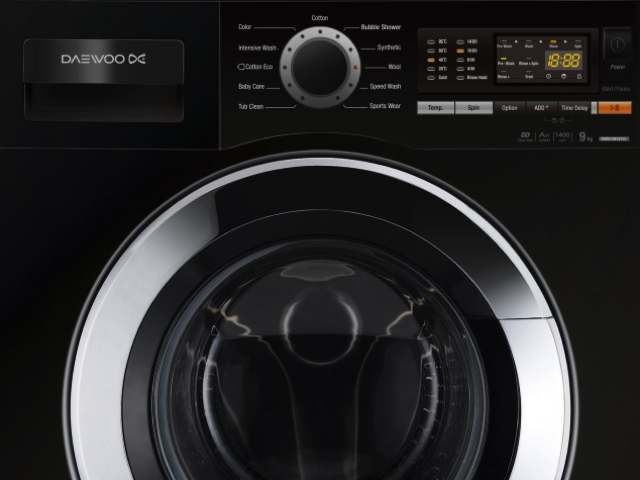

Reuters reports today that shareholders of Daewoo plan to relaunch the stalled sale of the South Korean home appliance maker in April.
The move comes after the attempts last year to sell the unlisted firm to Iran’s Entekhab Industrial Group for $513 million and then to Electrolux both fell through. Those attempts followed earlier unsuccessful ones in previous years.
“We are in the process of due-diligence. We will restart the sale of Daewoo Electronics next month after consultations,” told an official, who has direct knowledge of the deal, to Reuters on condition of anonymity because of the sensitivity of the issue.
State-run Korea Asset Management Corp currently holds a 57.4% stake in Daewoo, while Korea Exchange Bank owns 6.8 percent, according to Daewoo’s latest regulatory filing.
Daewoo Electronics has drawn little interest among Korean companies, with its product line-up of refrigerators, washers and televisions not seen as competitive against low-priced Chinese producers and bigger local rivals such as Samsung and LG Electronics.
Since 2006, a series of talks to sell Daewoo, including with a private equity unit of Morgan Stanley, Ripplewood Holdings and a consortium of India’s Videocon Industries and RJH International, fell apart. Then add the failed attempts by Entekhab and Electrolux on top we think that there must be some reason that all these attempts to sell the business are failing but for some there appears to be little in the way of an explanation.
Daewoo was placed under a debt-restructuring programme after its parent group went bankrupt in 1999. It posted a consolidated net profit of 3.1 billion won ($2.76 million) in the first five months of 2011, versus a net loss of 64.6 billion won in 2010, according to the latest regulatory filing