

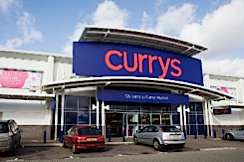
 Dixons Retail have decided to drop its loss-making Spanish PC City division in order to curb expenses.
“This decision has been made due to continuing weak consumer environment and continuing losses of the business, together with the group’s plans to focus on combined electrical and computing stores,” a Dixons spokesperson said on Thursday.
PC City only sells computer-related products, unlike the new UK format stores which offers other appliances besides computer equipment.
“That’s the format that works for customers,” Dixons said. “It would take quite an investment for us to develop the dual-brand strategy in Spain at a time when there are other calls on the business.”
The news comes shortly after two profit warnings this year from Dixons, the most recent of which caused an 18% plunge the share value in March.
At the time Dixons blamed January’s value added tax increase to 20 per cent for wiping a fifth off consensus profit estimates to £85m. It also cautioned that the UK consumer electricals market would decline further in 2012.
The sector shrank by 5 per cent in 2010 and Dixons is preparing for a further 5 per cent reduction this year as shoppers rein in spending on domestic appliances.
Dixons hinted at the closures in its March profits warning, noting that the PC City chain was poised to lose £5m this financial year. All 34 stores will be closed by the summer, together with the head office and PC City online operations.
“PC City has informed the employee representatives about the decision in order to start appropriate actions for the compulsory redundancy scheme which will be submitted to the relevant Spanish Labour Authority,” said Dixons. “Management will also look for solutions that secure employment for as many employees as possible.”
Shares in Dixons Retail rose on the news 1.02p to close at 13.18p.
The news came as the Office of Fair Trading launched an investigation into the £750m market for extended warranties on domestic electrical goods such as televisions, washing machines and computers. The UK’s trading watchdog said the study was prompted by concerns that shoppers are not being treated fairly, and “will focus on whether competition for warranties is sufficiently effective to ensure consumers get value for money”.
Roughly one in four people who buy an electrical appliance also purchase an extended warranty on the product, and the additional revenue is a highly lucrative money-spinner for high street retailers, such as Dixons and Comet. As are what has been dubbed as Pay As You Go (PAYG) warranties that are sold to people when they call for service, the calls are often routed to an insurance company’s call centre where a warranty is sold on the spot, many suspect that some manufacturers make more from this than selling the products!