

We explain the pros and cons of using fabric softener in your washing machine
This is a topic we’ve avoided for a number of years because it can become a bit of a heated debate in some quarters with some people loving the fabric conditioner and others saying that it is an unnecessary additive and a waste of money.
The truth of it is that, fi you like it them use it.
If you don’t then don’t.
But before you decide that you’re in one camp or the other how about a little bit of unbiased advice and help on whether or not using fabric conditioner is a good or a bad thing.
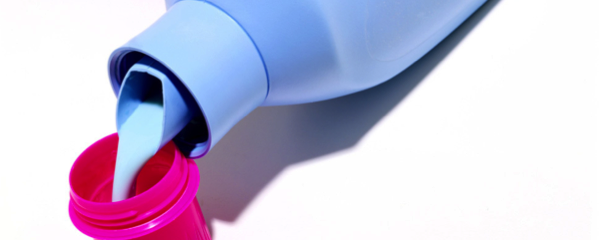
Sales Pitch
Fabric softener found its way into the market in the 1950’s so, it’s not at all new.
Even well known UK brands like Comfort have been around for decades and washing machine manufacturers have almost universally designed a compartment in the dispenser drawer to get this additive into your wash at just the right time. The right time, for you reference, is on the final rinse cycle in cold water.
The big promise of softener is that it makes your laundry feel softer and smell nicer. However it is also supposed to lessen wrinkles. make ironing easier, offer better colour retention and give greater stain prevention.
On some of those points, we’ll get to the truth of them later.
But to get all that you can expect it to cost around 5p per wash to 10p per wash depending on the product, which is often down to the scent we think.
To put that into perspective for you, that’s almost as much as half or more of the cost of the electricity used in a modern washing machine.
What It Does
One person at a producer of conditioners and detergents put it like this, “conditioner is basically a big tub of grease with perfume added”.
Nothing fancy then!
It is actually a bit more than that of course with a slew of fancy chemicals used including conditioning agents, emulsifiers and so on but we’re not here to dig into the technical specifications but more look at this in more easy to understand terms.
All that this chemical trickery does really is to try and prevent static build up and effectively “coats” the fibres of the laundry in what was described by the detergent company employee as grease which contains silicon elements that make the fibres separate which in turn makes stuff feel softer.
It doesn’t mean that it is any softer really, only that it feels that way.
Alternatives
We’ve often seen online people saying that they use vinegar and goodness knows what else to mimic the effect of fabric conditioner but in truth, the chemical reality is that this is most probably wishful thinking more than what is actually happening.
The common one is vinegar and it is an extremely mild acid with not much more in it so, it cannot possibly mimic the effect of fabric softener proper. Sorry but the physics and chemistry are just so wildly different it is unreal.
Of course out there in internetland you can find any number of alternatives and hone brewed recipes for softener but whether they work, are any good and won’t damage your clothes, who knows as they are not subject to testing or any form or regulation.
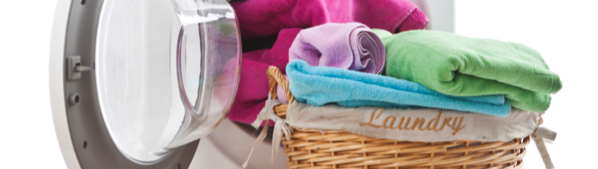
Limitations
There are a number of very important things you need to bear in mind if you use fabric conditioner.
The biggest and most important one is that you cannot use it on towelling or the like of nappies, ever!
The reason is pretty simple and why you can see claims of better stain protection, as this is a kind of grease based additive water will sheer off it, it will repel water to a degree. So anything you want to absorb moisture to for example, dry yourself with or soak up stuff in any way, will be far less effective if you use softener on it.
If you use it on towels then they may well feel nice, soft and fluffy, but they’ll be rubbish at drying you which is pretty much the point of a towel.
The better ironing claims, to be truthful it depends on who you ask. Some people agree with it, some don’t but most don’t even notice it. If it’s that much of a thing you would think that more people would notice.
It only really works well on cotton so, all the fancy mixed fabric stuff you have and most designer clothing, forget using softener on it as you’re just wasting money and, possibly even damaging the items. We can’t say for sure it can or will cause damage as, bluntly, there’s not enough information on the topic to form a good solid opinion in that regard so in the absence of information, caution is advised.
You should also never use fabric conditioner on bedding as common sense would tell you that when in bed we all sweat and the sheets soak that up. If you cover those sheets in grease and chemicals it’s really not going to work like that so, a very bad idea.
From what we learn talking to people, fabric softener is probably unsuitable for use on many if not most of the things that they wash in the real world.
Do You Need Softener?
Short answer from a technical standpoint is, no, you don’t.
Many people appear to think that it has to be added as there’s a compartment in the washing machine drawer for it but, you don’t, it’s optional. There is no requirement for it to be used at all, regardless of what you might be led to believe.
From a cost only point of view then, you would be better off to save the cash.
If you want the nice smell though and you’re prepared to live with the limitations, the additional cost and the use of chemical additives to your laundry that, you really don’t need, then fine, use conditioner.
Our take on it is, we don’t use it and never have done. It’s easier, cheaper and more environmentally friendly.
I hate it. Never use it and am amazed that so many of these awful products are in our supermarkets.
Another gripe. Why is there so few hand wash detergents available? I hand wash some garments. Saves time and hot water.
Than you for a very informative and interesting article
Thank you for this very informative article. I’ve used softeners for a very long time simply for the fragrance; I’ve not noticed any benefits in ironing properties nor, in fact, that my cotton shirts are any softer. I knew not to use it on towels, but never considered the effect it would also have on bed linen! As for the fragrance, well I’ve discovered a liquid laundry detergent that I like so now, being better informed about softeners, I can happily stop using them.
Do not use on tights underwear swimwear or anything elastic. The grease rots all kinds of rubber based products.
Interesting article, how about the washing powders called 2 in 1.
Do they contain fabric conditioner or just a fragrance
I have used the 2 in 1 product Bold and it contains conditoner not just fragrance. It reduces static and friction so can reduce fabric wear and tear especially the pilling of blended fabrics such as polyester and cotton and creasing of linen blends. Washing powders in machines all wear out your clothes so i hand wash my luxury fabrics in silk and cashmere with pure soap and use fabric conditioner to stop the creasing when spinning out the water. Again do not use on stretch lycra fabrics or you will see patches of fibre breakdown especially on jersey construction. 100% cotton, viscose, silk, cupro, micro fibre, acrylic and polyester are fine but must be washed more frequently if in direct contact with skin as the silicon content will smell musty if wearing sportswear or underwear. I frequently wash newly purchased viscose garments as this fibre creases badly and is used more frequently by manufacturers and retailers looking to save on fabric costs.