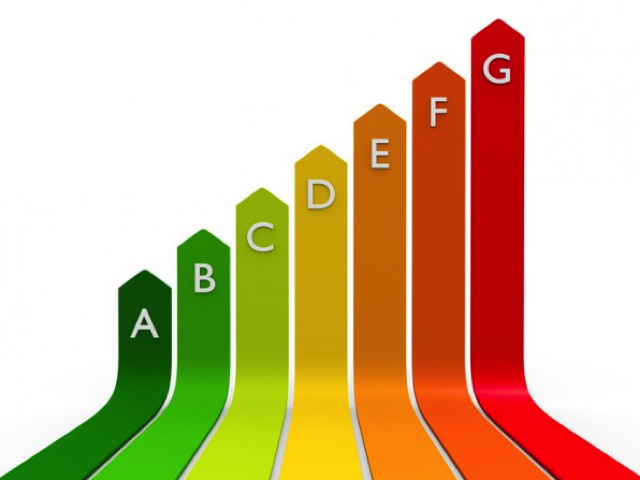
Apparently according to reports the EU is going to have a bit of a rethink on it’s Ecodesign program that has led to more energy efficient appliances over the years but we think, they might want to rethink the rethink.
Let’s clear up one thing before we go on here, the sort of stuff you may have read in the papers about limiting wattages on vacuum cleaners, lowering energy use in washing machines and all that sort of thing isn’t all bad.
Vacs for example as most people will know that one, we all managed just fine for many years with low powered vacs so why is it that putting a cap on the power is an issue?
Well one way to make up for poor design, we would hazard, is to simply pump up the power and get performance through brute force basically even if it’s not really needed. By limiting the power that can be used you force better and more energy efficient design.
See, not all bad.
The PR work on that though has been shockingly bad, especially from the EU itself.
So the Ecodesign Directive basically does stuff like that and, they’ve been pretty successful in it, at least in one regard, lowering the energy use of the products in operation.
What they’ve been astoundingly bad at is making the same products last any longer which, we would argue not only offsets any energy saving made in use but actually creates more waste and less energy efficient overall.
This stuff is pretty complex but lets try to dumb it down.
If you have say a washing machine that saves 20% of the energy over the previous generation that sounds great right? Most people will sign up in the belief that they’ll save 20% off their energy bill for the washer. This is a perfectly reasonable assumption for people that don’t know better.
But 20% of what?
Compared to what?
What is a 20% saving on a wash cycle anyway?
Those are the questions that people should be asking as, we reckon most UK users will be paying something like 15p per wash in electricity so, 20% of 15p isn’t exactly going to excite most people and, that’s if the claim is actually true. Most are not.
But that supposed 20%, can you ver get back the energy used to produce the machine in savings or, the investment?
Nope.
It costs more energy to make more machines that are tossed early as they are not as durable or, can’t be repaired due to lack of parts or whatever so, you end up with a big negative effect.
To demonstrate, in a decade in the UK alone we’ve gone from consuming about 1.4 million washing machines a year to, this years’ predicted 3 million.
We haven’t doubled the number of homes. We haven’t have doubled the population.
It’s hardly rocket science to work out that machines are dying earlier and being replace more frequently.
In turn that leads to huge amounts of hate to deal with and, masses of energy used to produce more cheap machines.
It is therefore logical that the EU should concentrate on making these machines last longer if they really want to help the environment and that, in this website’s opinion, would have a far greater impact on energy use overall and save consumers a lot of money as well as protecting them yet more.
But, it’s not easy and, it’s not fast.
Now in the wake of Brexit some such as the Economist reckon that should the UK ditch the Ecodesign that manufacturers will dump “the below-standard, out-of-date appliances they could no longer sell on the continent” but, that won’t happen.
Manufacturers may well dump old stock but they’re all pumped out the same, using many of the same components in the basic structure (which largely makes the eco-friendly stuff possible) and they won’t change that just for the UK. And anyway, there’s loads of other places around the world to dump product into.
Our take is, this will serve little or no purpose really and, probably won’t solve any of the problems that the appliance industry has, nor will it help end users all that much either.
We think the EU should get with the program and address the issues that actually matter, not just the ones that win political points.