

Dixons is cutting more costs and trimming investment plans to counter a drop in sales and profit margins as shoppers rein in spending in the face of rising prices and government austerity.
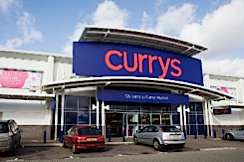
The group which is Europe’s second-biggest electricals retailer and operates the Currys and PC World chains in Britain, said yesterday it would cut an extra £10 million of costs and limit capital spending to £100 million, down from an original plan of £110-160 million.
“We want to make it absolutely crystal clear to everybody that we have every prospect of repaying the bond which comes due at the end of next year,” Chief Executive John Browett told reporters, referring to a £150 million bond repayment due in November 2012.
Dixons shares have plunged over 40 per cent in the past three months, hitting a 2½ year low of 10.5 pence on Tuesday, on fears consumers’ caution could hit its finances.
“A reassuring trading statement from Dixons in the context of all the negative recent press,” Singer analysts said.
Shoppers across Europe have been reducing spending on discretionary items like electricals goods as they grapple with rising prices, subdued wages growth and austerity measures.
An industry survey on Tuesday showed UK like-for-like sales fell 0.6 per cent in August from a year earlier.
Specialist electricals retailers like Dixons, Kesa Metro’s MediaMarkt-Saturn and Carphone Warehouse also face competition from grocers and the Internet. Metro said in July that MediaMarkt-Saturn, Europe’s biggest electricals chain, slumped to a quarterly loss, while Kesa has been looking at selling its loss-making British chain, Comet.
Dixons, which also runs UniEuro in Italy, Kotsovolos in Greece and Elkjop in Nordic countries, has outperformed rivals, helped by investment in its shops, particularly new megastores.
Sales at Dixons stores open at least a year fell 7 per cent in the 12 weeks to July 23, the first quarter of its financial year, including a 10 per cent decline in the UK.
The falls were broadly in line with expectations and exaggerated by a strong performance the same time last year, when sales of televisions surged ahead of the soccer World Cup and Apple’s popular iPad was launched.
Gross profit margins dropped a larger-than-expected 1 per cent as the firm strove to gain market share abroad.
Browett said the exit rate from the first quarter was encouraging and, while cautious on the economic outlook, was confident shoppers would still spend at Christmas. He did not expect analysts’ full-year profit forecasts, with average about £80 million, to change much. But Browett was more upbeat about prospects for next year, and particularly for sales of 3D televisions ahead of the Olympic Games in London.
“There are lot of people who can’t get tickets to the event and the next best thing to do is buy a big screen TV, have a party and show it all in 3D,” he said on a conference call.
Browett declined to comment specifically on reports that he had held talks over a merger with Carphone Warehouse.
“We’ve spoken to a number of people over a number of months on a number of subjects across Europe and the world,” he said, adding that this parties included MediaMarkt-Saturn, Kesa, Carphone Warehouse and its US partner Best Buy.
“It would absolutely be wrong for me not to speak to any potential opportunities … But I would read nothing into those conversations,” he said.